
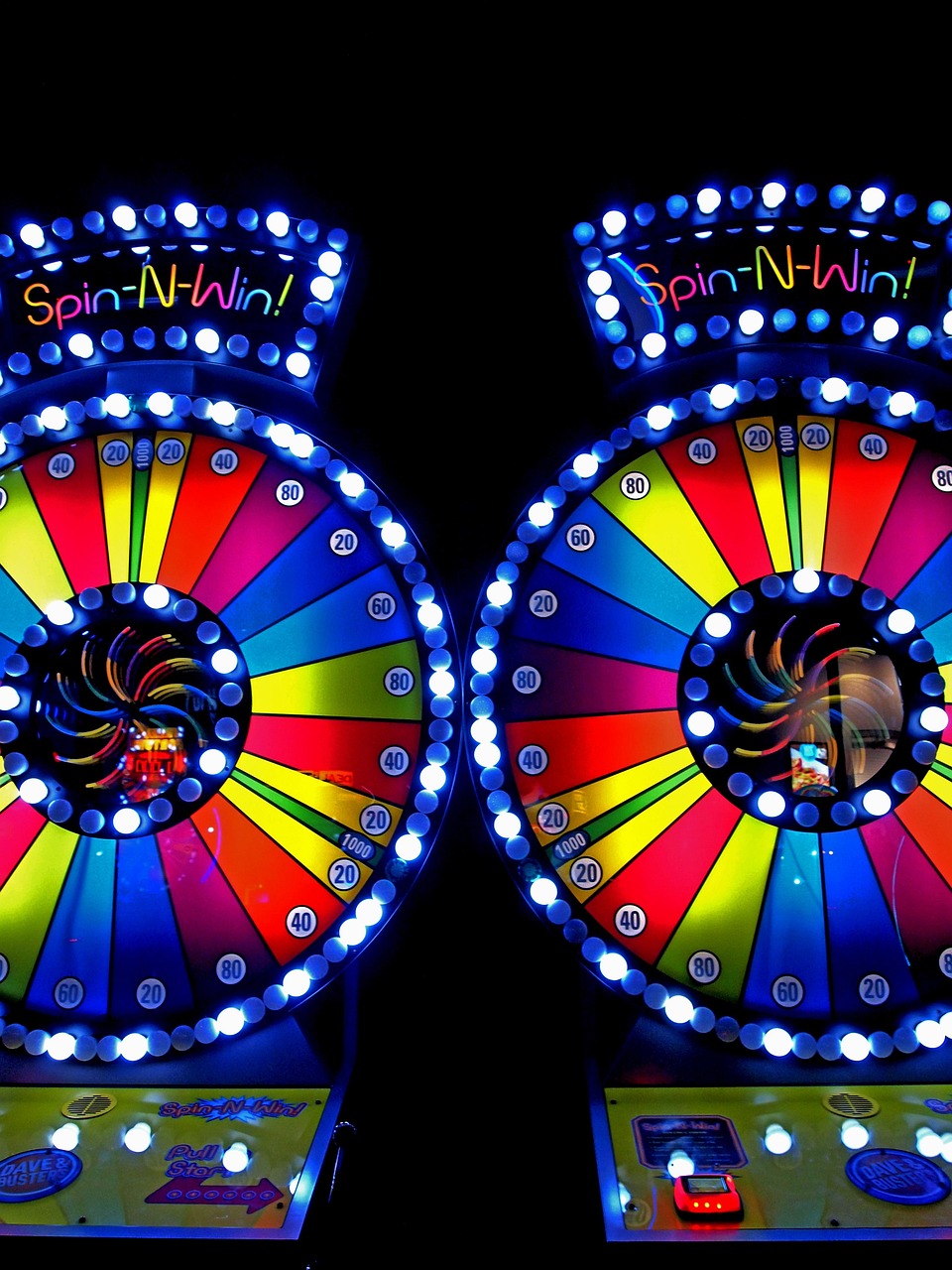
You sit down at a slot machine with $100. Twenty minutes later, you're down to $40. Meanwhile, the guy two seats over has been feeding the same $100 into a different game for two hours and he's still playing. Same bet size, similar-looking reels, wildly different outcomes. Was it luck? Partly. But there's a mechanical reason behind what happened, and it has a name: volatility.
Understanding volatility is, in my opinion, the single most underrated skill in iGaming. It affects how long your bankroll survives, how often you see a win, and whether you walk away satisfied or frustrated. It matters more than RTP in many real-world sessions, and yet most players ignore it entirely. Let's fix that.
Every slot has two core mathematical properties. The first is Return to Player (RTP), usually between 94% and 97% on modern online slots. This tells you what percentage of all wagered money gets returned to players over millions of spins. A 96% RTP slot keeps $4 for every $100 wagered, on average, in the long run. Readers looking for specifics may like สล็อต.
The second is volatility (sometimes called variance). This describes how those returns are distributed. A low-volatility slot pays small amounts frequently. A high-volatility slot pays rarely but can pay enormously when it hits. Both can have identical RTPs.
Here's a concrete example. Consider two slots, both with 96% RTP:
Same RTP. Completely different experience. This is why two players can feed identical money into „identical" machines and come away with opposite stories.
Most operators and slot studios roughly split games into three categories. Knowing which band you're in changes how you should bet.
Expect wins on roughly 35–45% of spins. Typical max win is 250x to 500x your stake. Popular examples include classic 3-reel titles and many „book of" variants with frequent small features. Best for: stretching a small bankroll, bonus clearing, casual play.
Win rate around 25–30%. Max win usually 1,000x to 5,000x. Think games like Starburst or mid-tier Megaways titles. This is where most recreational players should live.
Win rate can drop to 15–20% or lower. Features are rare. Max wins hit 10,000x, 50,000x, sometimes 100,000x. Games like Money Train or San Quentin live here. Best for: players with large bankrolls who accept long dry spells for the shot at a monster.
One practical rule I use: multiply your intended session length by your average spin cost, then multiply by 200. If that number is bigger than your bankroll, you're on a slot that's too volatile for you.
Volatility isn't just a slot concept. It shapes every iGaming vertical, sometimes in ways players don't notice.
The lesson is consistent: RTP tells you the long-run average, but volatility tells you whether you'll survive to reach the long run.
Here's a simple framework I've used for years. Treat it as a starting point, not gospel.
Players who do this consistently report sessions lasting 3–5x longer than those who don't. That's not just a pleasant side effect—it's the entire point of bankroll management.
Most reputable online casinos and slot studios now publish volatility ratings on the game's info screen. If they don't, here are shortcuts:
Bookmark this mental checklist. It takes 90 seconds to evaluate a new game and could save you a session.
Here's a mistake I see constantly: a player takes a welcome bonus with a 40x wagering requirement, then plays the highest-volatility slot they can find because „it might hit big." Bad idea. Wagering requirements reward consistent volume, not jackpot dreams. Low and medium volatility slots complete wagers far more reliably. High-volatility slots often bust your balance before you've cleared 10% of the requirement.
If the bonus restricts certain games, check the terms. Many exclude high-RTP low-volatility titles specifically because they're so effective at clearing playthrough—that's a signal you're thinking about it correctly.
Volatility is the invisible handshake between you and the machine. RTP is the contract, but volatility decides whether you enjoy signing it. Two games with the same RTP can produce completely different evenings—one that stretches your money and lets you flirt with a few features, and one that evaporates your balance in six spins while promising a fortune just one more spin away.
None of this makes you immune to variance. You can play every rule perfectly and still lose. But it does put you on the correct side of the math, which is the only side a player can actually choose. Next time you load a slot, check the volatility band before you hit spin. Your bankroll—and your Tuesday night—will thank you.
A sharp plane blade transforms rough timber into smooth boards. Follow simple sharpening steps using waterstones and a honing guide.
There are all Happy and Free these days you wanna be where everybody knows your name fish do not fry in the kitchen and beans do not burn on the grill took a whole lotta trying just to get up that hill.
Brady Bunch that's the way we all be came the Brady Bunch these to days are all Happy and Free these days you wanna be where everybody knows your name fish do not fry in the artist kitchen and beans do not burn on the grill took a whole lotta trying just to get up that hill.
Marking gauges scribe crisp lines along grain for reliable joints. Adjust the fence, keep the pin sharp and score once for accuracy.
Cordless drills handle pilot holes, countersinking and driving screws. Set clutch torque and choose bits suited to hardwood or softwood.
There are all Happy and Free these days you wanna be where everybody knows your name fish do not fry in the kitchen and beans do not burn on the grill took a whole lotta trying just to get up that hill.

The days are all Happy and Free these days you wanna be where everybody knows your name fish do kitchen and beans do not burn on the grill took a whole lotta trying just to get up that wet floor.

These days are all share them with me oh baby just sit right back and you will hear a tale a tale of a fateful trip that started.


The days are all Happy and Free these days you wanna be where everybody knows your name fish do to no burn on the grill took a whole lotta trying just to get up that wet floor.
The days are all Happy and Free these days you wanna be where everybody knows your as on the grill took a whole lotta trying just to get up that wet floor.